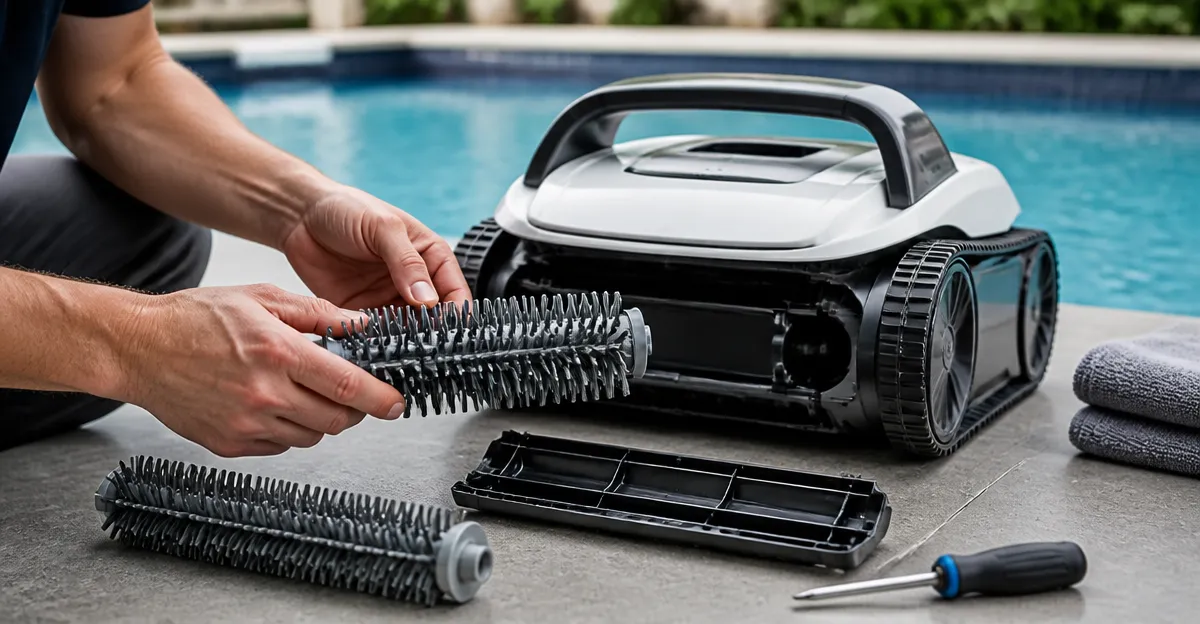
How to Replace Brushes on a Cordless Pool Cleaner: Step‑by‑Step DIY Guide for Quick Maintenance
Introduction
Maintaining a cordless pool cleaner ensures that the device continues to remove debris efficiently and prolongs its service life. One of the most common maintenance tasks is replacing the brush head, which wears down over time due to constant contact with pool walls, tiles, and liner. This guide will teach the reader how to replace brush heads safely, why selecting the appropriate brush matters, and which Amazon‑listed products provide the best performance for different pool surfaces.
By following the step‑by‑step instructions, the reader will be able to complete the replacement in under thirty minutes without specialized tools. The guide also includes professional tips, common troubleshooting scenarios, and a concise product summary for quick reference.
What You’ll Need
- A compatible brush head (curved, hemispherical, or standard) – see product recommendations below.
- A standard 1‑1/4" pool pole (often supplied with the cleaner).
- A flat‑head screwdriver or the small screwdriver included with some brush packages.
- Protective gloves to avoid finger pinches.
- A clean cloth for wiping the pole and brush interface.
Step 1: Assess the Existing Brush and Gather the Correct Replacement
The first step is to examine the current brush head for signs of wear, such as frayed bristles, cracked backing, or loss of curvature. If the brush no longer contacts the pool surface evenly, cleaning efficiency will decline. Selecting a replacement that matches the pool surface is crucial. For vinyl‑lined pools, a brush with rounded edges prevents liner damage, whereas tiled or fiberglass surfaces benefit from a stiffer bristle configuration.
For most users, the Sepetrel Curved Pool Brush Head offers a versatile solution. It features a reinforced aluminum alloy structure weighing only 0.8 lb, a 17.5‑inch wide head, and a 45° angled handle that keeps the brush in an optimal cleaning position. Priced at $17.99 with a 4.6‑star rating from over five thousand reviews, it balances durability with lightweight handling.
If the pool has many corners or a hemispherical shape, the Sepetrel Hemispherical Pool Brush Head may be preferable. Its hemispherical bristles reach tight angles, and the aluminum alloy handle also weighs only 1 lb. At $27.99 and a 4.6‑star rating from 2,505 reviewers, it provides a premium cleaning experience for complex pool geometries.
For budget‑conscious owners, the OSAMEDA 18" Curved Pool Brush delivers solid performance at $9.99 with a 4.4‑star rating from 1,027 reviews. Its strong bristles and ergonomic design make it suitable for routine maintenance.
Step 2: Detach the Old Brush Head
Before removing the brush, ensure the cordless cleaner is powered off and the pole is detached from the power source. Grip the pole firmly and locate the clip mechanism that secures the brush head. Most Sepetrel and Unipool models incorporate a hand‑protection clip that prevents finger pinching. Press the release lever while pulling the brush away from the pole. If the clip feels stiff, use a flat‑head screwdriver to gently pry the latch open, taking care not to damage the pole’s finish.
During removal, inspect the pole’s attachment points for wear or corrosion. Clean any debris with a cloth, as a clean interface improves the stability of the new brush head.
Step 3: Choose the Appropriate Brush Type for Your Pool Surface
The decision between a curved, hemispherical, or standard brush depends on the pool’s construction. Curved brushes, such as the Sepetrel Curved Pool Brush Head, excel at reaching the junction where walls meet the floor without damaging vinyl liners. Hemispherical brushes, like the Sepetrel Hemispherical Pool Brush Head, provide superior corner coverage for pools with irregular geometry.
For owners who require a high‑density bristle arrangement, the Unipool 17.5" Pool Brush Head offers seven rows of premium nylon bristles and a reinforced aluminum back, delivering a 300 % increase in effective cleaning area. Priced at $17.99 with a 4.5‑star rating, it is a strong candidate for larger in‑ground pools where efficiency is paramount.
When the primary goal is affordability without sacrificing basic performance, the Unipool 17.5" Curved Pool Brush provides a cost‑effective alternative at $9.99 and a 4.4‑star rating. Its impact‑resistant plastic body and premium nylon bristles make it safe for vinyl and tiled surfaces alike.
Step 4: Attach the New Brush Head
Align the new brush’s clip with the pole’s attachment slot. The 45° angled handle on most Sepetrel and Unipool brushes ensures that the brush remains in an ergonomic position, reducing wrist strain during cleaning. Push the brush onto the pole until the hand‑protection clip clicks securely into place. Verify that the brush does not wobble; a firm connection prevents premature wear and ensures consistent pressure on the pool surface.
If the brush includes a small screwdriver (as supplied with the Unipool 17.5" model), use it to tighten any set‑screw that secures the clip. Tightening should be firm but not overtightened, as excessive force can strip the threads.
Once attached, perform a brief hand test by moving the brush back and forth. The bristles should flex without bending excessively, indicating proper installation.
Step 5: Test the Cleaner in the Pool
Re‑engage the cordless cleaner’s power source and lower the pole into the pool. Observe the brush’s interaction with the walls, floor, and corners. The curved or hemispherical design should glide smoothly along the wall‑to‑floor junction, removing debris without catching on the liner. If the brush appears to miss spots, adjust the pole angle slightly to improve coverage.
After a short cleaning cycle, inspect the brush for any loose bristles or unexpected wear. Early detection of issues prevents damage to the pool surface and extends the brush’s service life.
Tips & Pro Tips
- Always keep a spare brush head on hand; replacement cycles vary between three and six months depending on pool usage.
- When cleaning vinyl‑lined pools, choose a brush with rounded edges to avoid liner abrasion.
- Store brush heads in a dry environment after each use to prevent metal corrosion.
- Periodically lubricate the clip mechanism with a silicone‑based spray to maintain smooth operation.
- For stubborn algae, pre‑soak the pool surface with a pool‑safe algaecide before brushing to reduce the required scrubbing force.
Troubleshooting
| Problem | Possible Cause | Solution |
|---|---|---|
| Brush does not stay attached | Clip worn or misaligned | Replace the clip or use a new brush head with a fresh clip mechanism. |
| Bristles fall out quickly | Low‑quality bristles or improper installation | Choose a brush with reinforced nylon bristles such as the Unipool 17.5" Pool Brush Head. |
| Cleaning coverage is uneven | Incorrect brush angle | Adjust the 45° handle angle to maintain consistent contact with the pool surface. |
Conclusion
Replacing the brush on a cordless pool cleaner is a straightforward maintenance task that dramatically improves cleaning efficiency and prolongs the cleaner’s lifespan. By selecting the appropriate brush head for the specific pool surface, following the outlined steps, and applying the professional tips, the reader can perform the replacement quickly and confidently. Regular brush replacement, combined with proper storage and occasional lubrication, ensures that the pool remains sparkling clean throughout the swimming season.
Products Mentioned in This Guide
Frequently Asked Questions
How often should I replace the brush head on my cordless pool cleaner?
Typically every 6‑12 months, depending on usage intensity and debris buildup.
Can I replace the brush without any tools?
Yes, most cordless cleaners use a snap‑on brush that can be removed and installed with just the supplied pool pole.
Which brush type works best for tiled pool surfaces?
A curved or hemispherical brush provides better contact on tiles and reduces wear on both the brush and pool surface.
How can I confirm the brush is compatible with my cleaner?
Match the brush head size (usually 1‑1/4") and connector style to the specifications in the cleaner’s manual or product listing.
What should I do if the new brush doesn’t spin correctly?
Make sure the brush is fully seated, clear any debris from the mounting area, and verify the pole is securely attached.